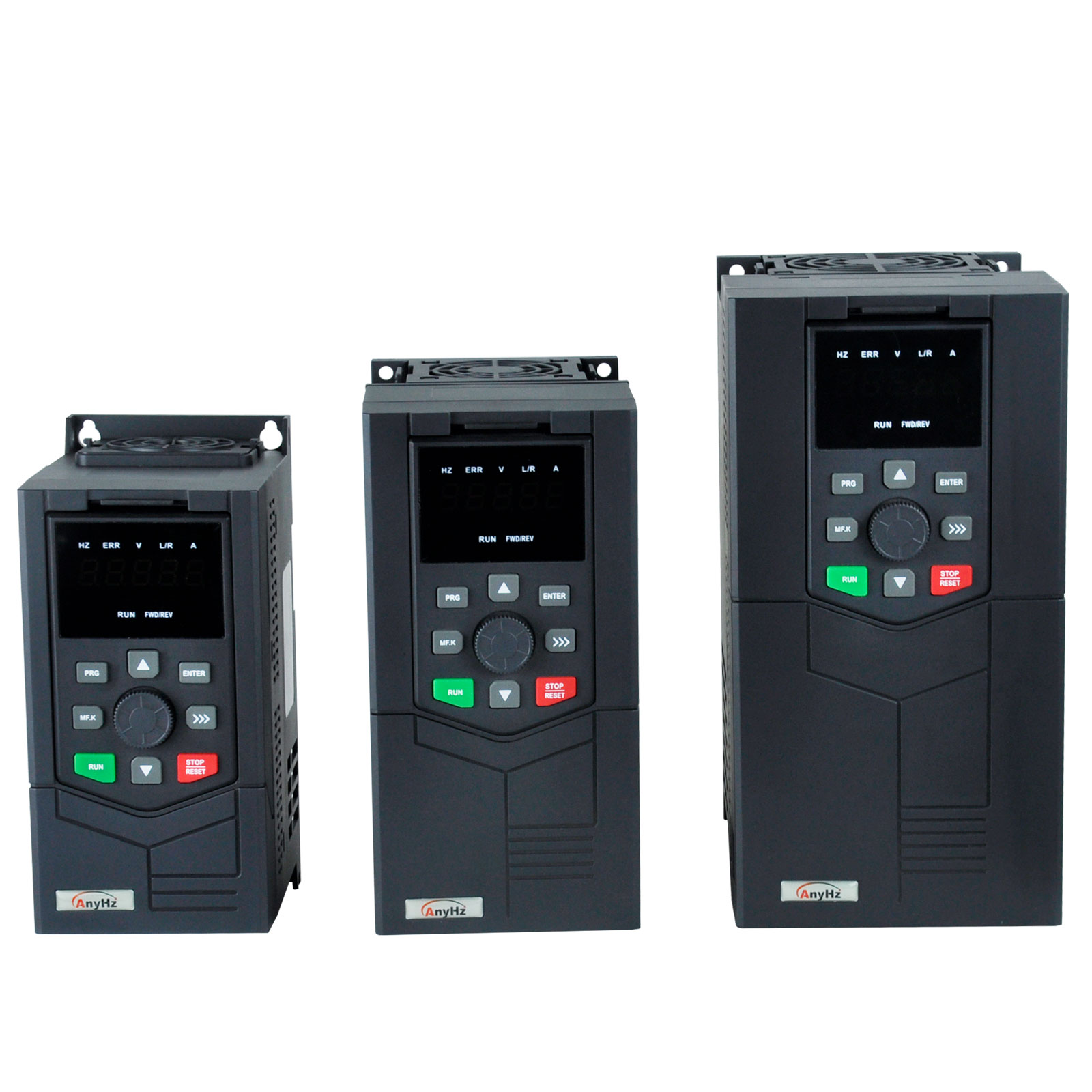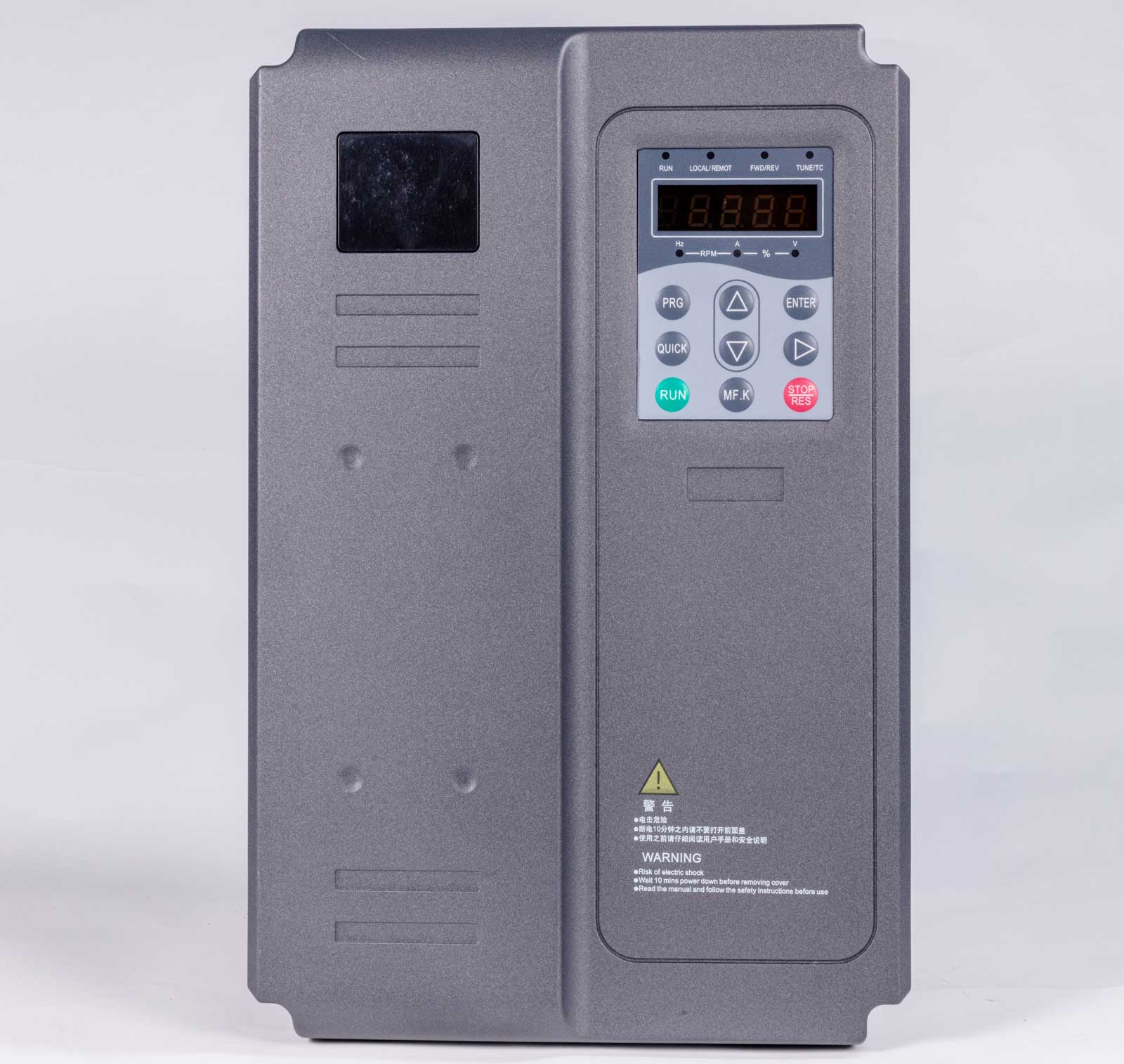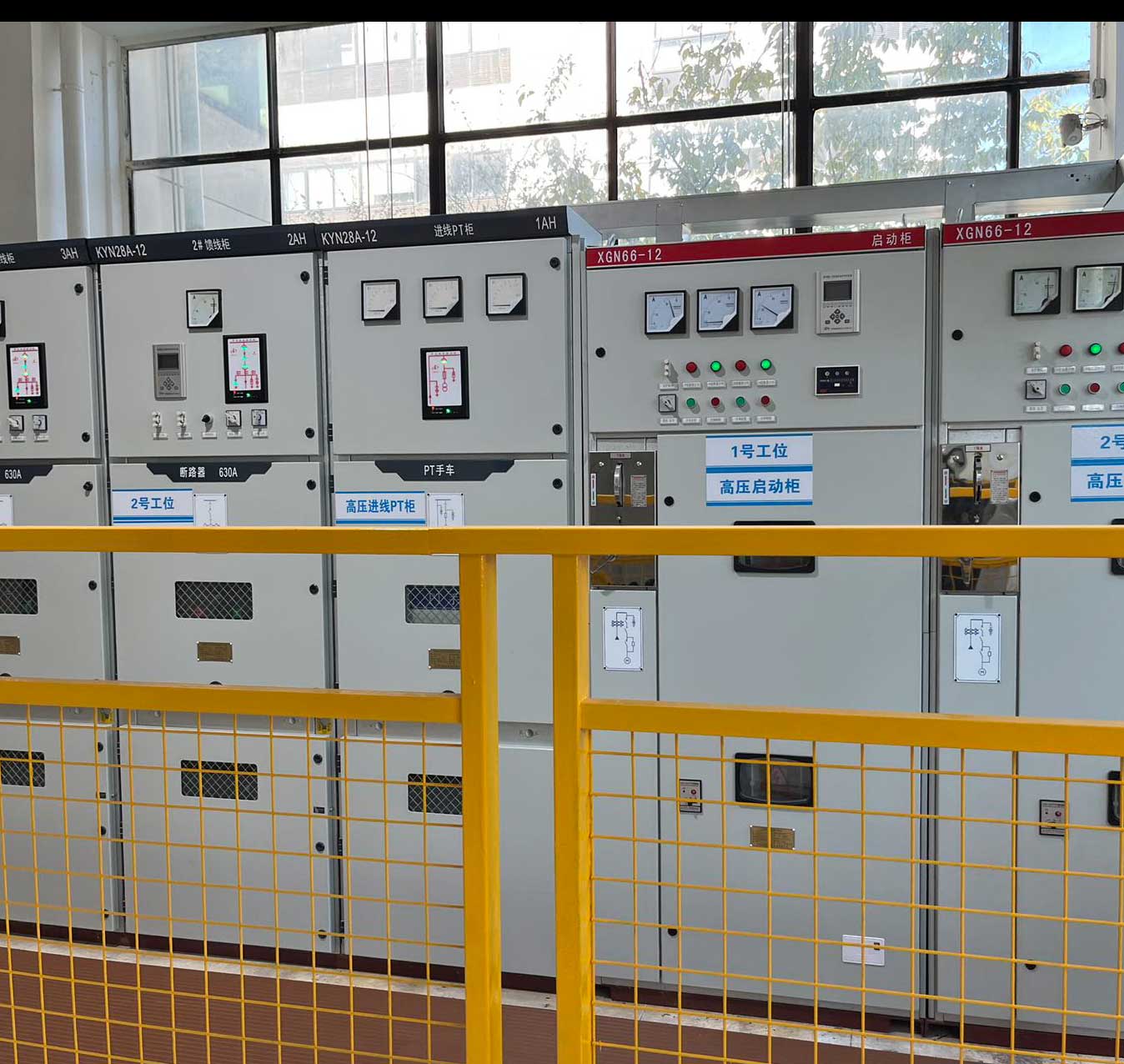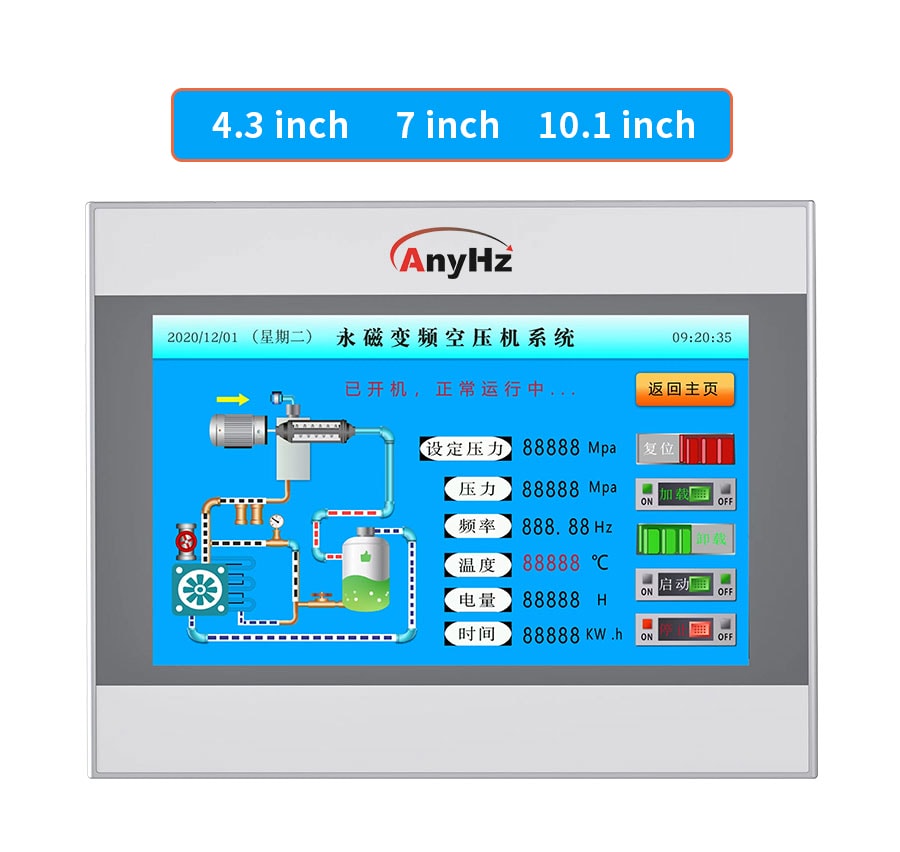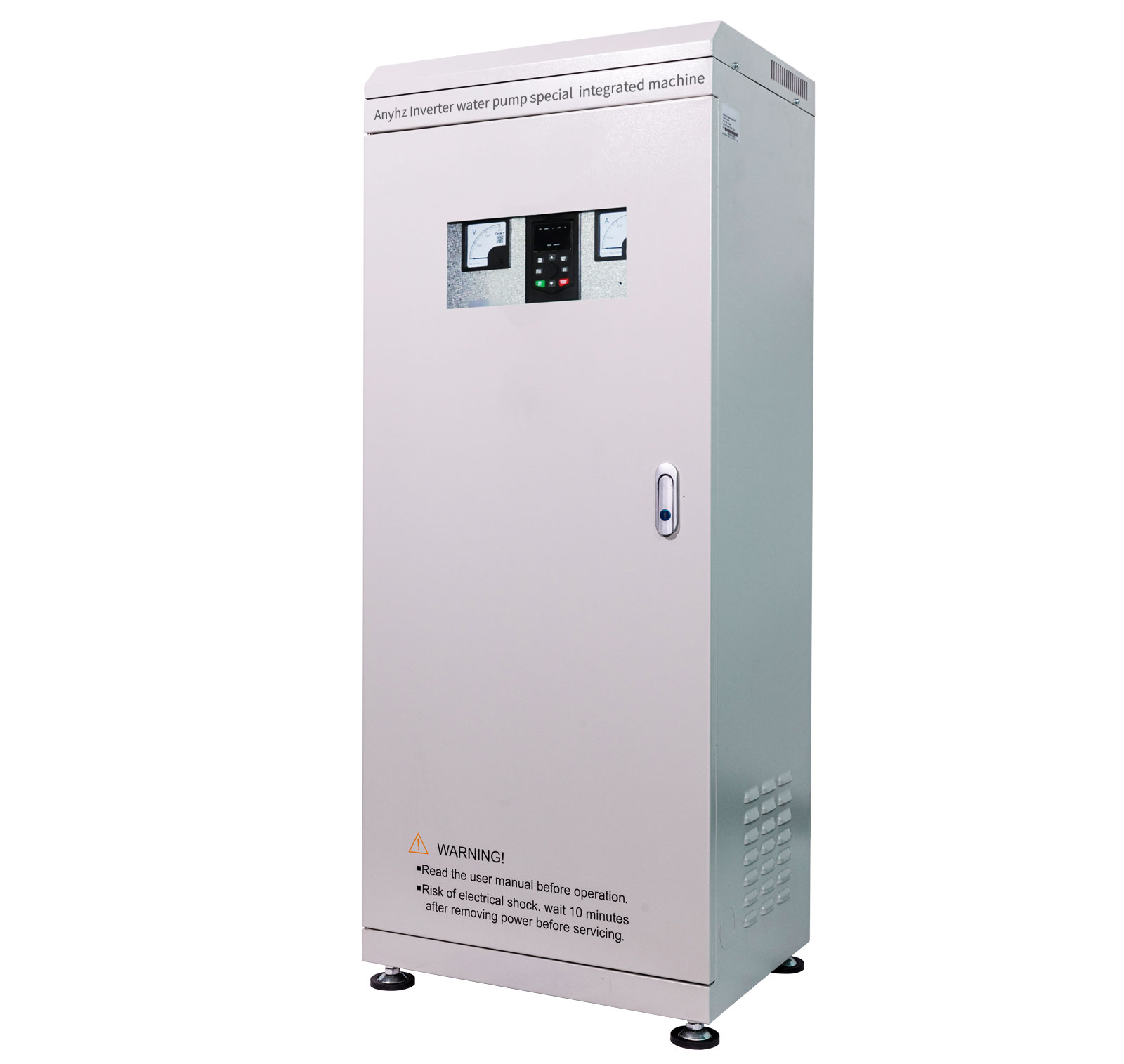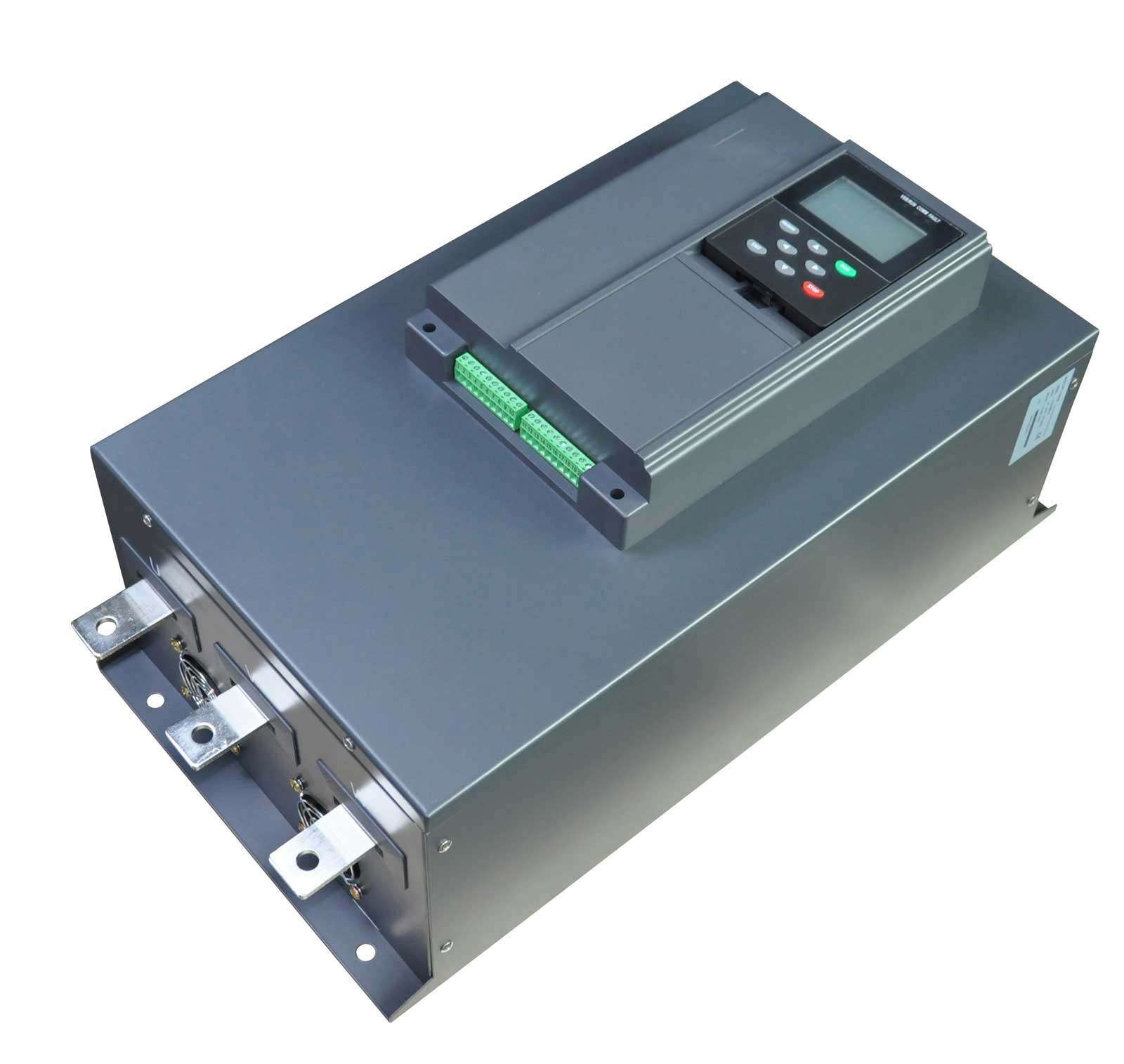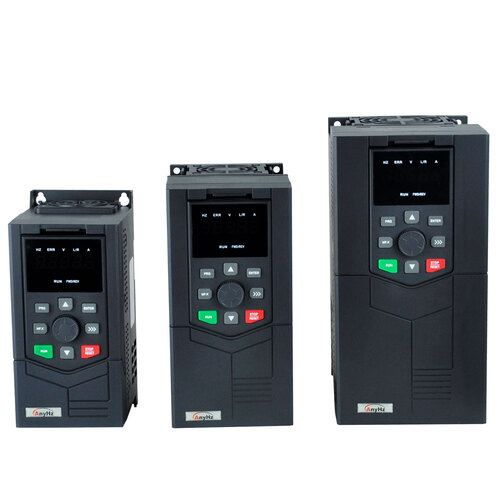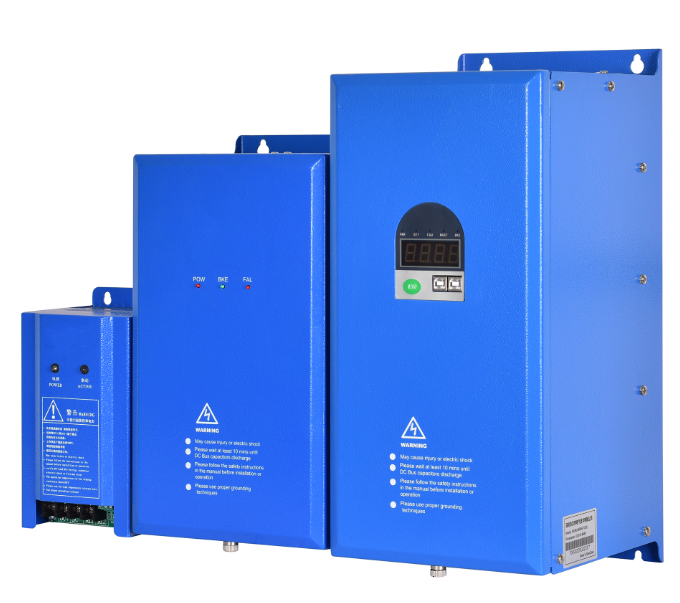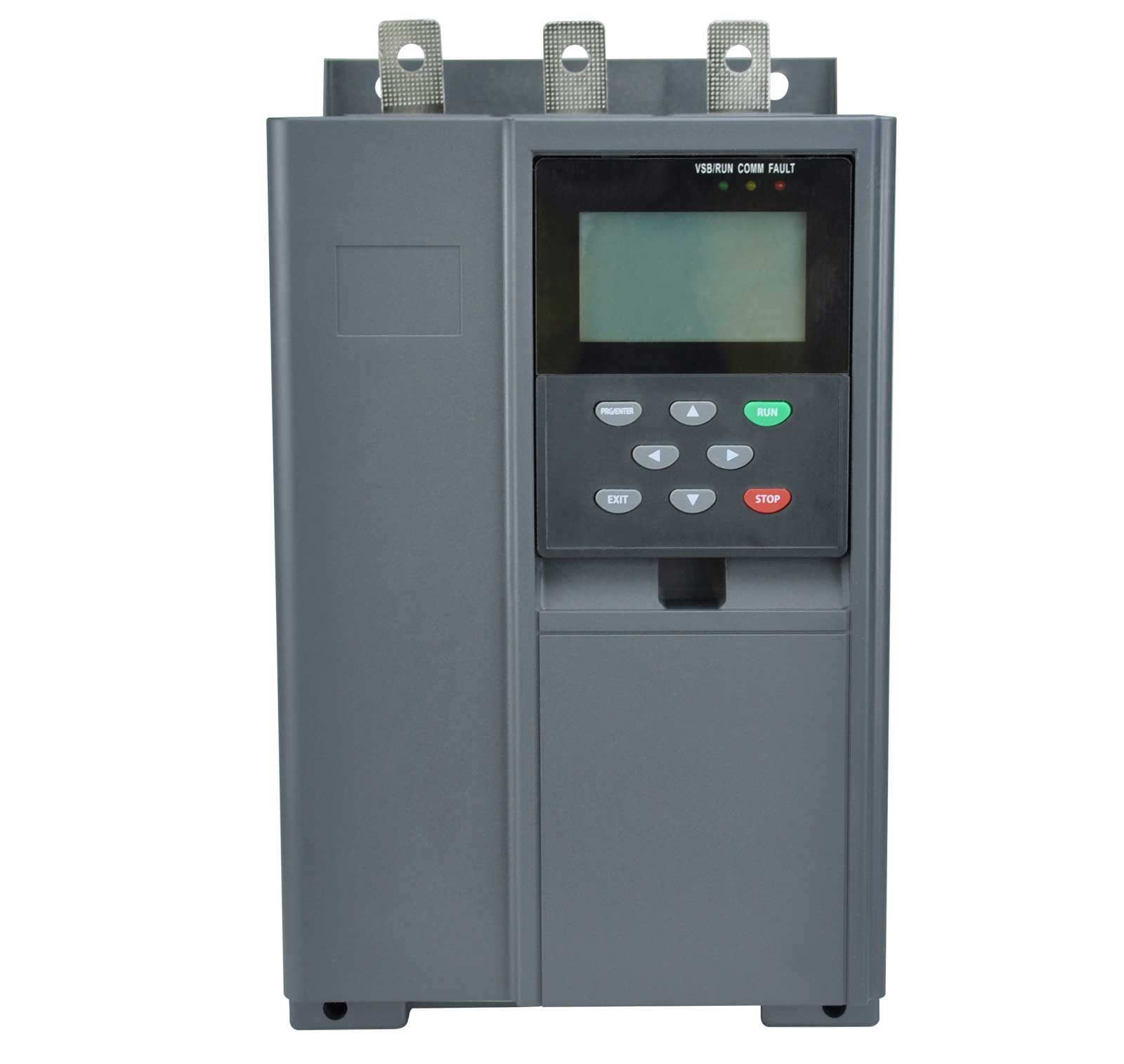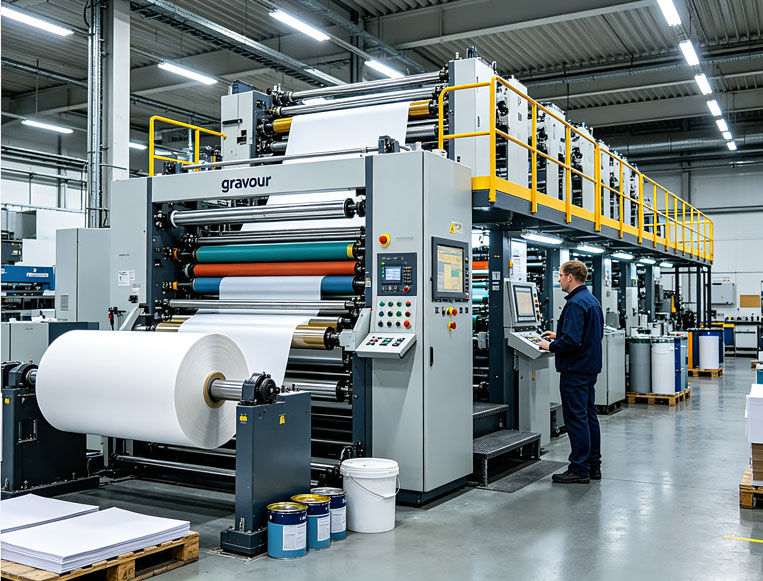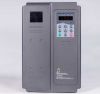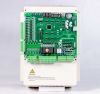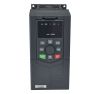
Recently — Our technical team has successfully completed a 22kW Variable Frequency Drive (VFD) electromagnetic compatibility (EMC) optimization project. By precisely addressing high-frequency interference issues that emerged after retrofitting a gravure printing press with variable-speed drives, we have completely eliminated electromagnetic interference (EMI) during equipment operation, reducing the printing reject rate to near zero. This achievement provides a replicable EMC governance benchmark for the industry.
High-Frequency Interference Severely Impacted Printing Accuracy
Following the conversion of the gravure printing press from fixed-frequency to variable-frequency speed control, significant high-frequency electromagnetic interference was observed during operation. Specific manifestations included: color registration deviation, resulting in misaligned printing patterns; photoelectric sensor signal disorder, causing detection false-positives; and unstable counting, affecting the accuracy of production data statistics. These issues directly led to increased printing reject rates, severely impacting production efficiency and product quality.
Systematic Optimization: A Three-Pronged Approach to Root Out Interference
In response to the above EMC challenges, our technical team conducted systematic troubleshooting and optimization, implementing three core measures:
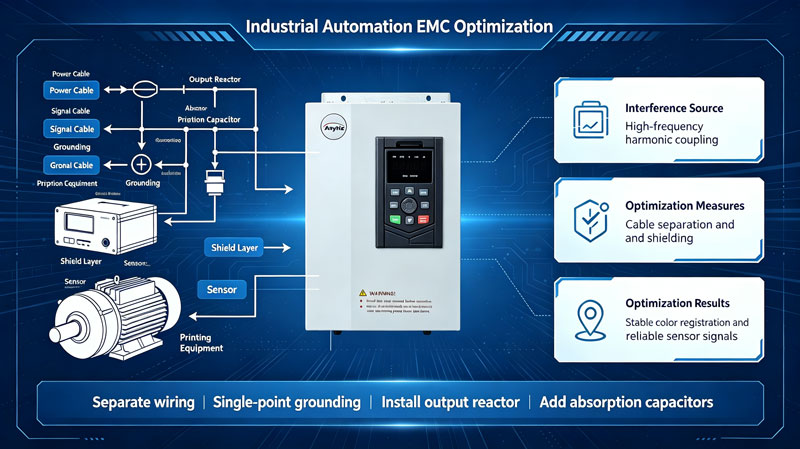
Optimized VFD Wiring: Re-planned the routing paths for power cables and signal lines, strictly separating high-voltage and low-voltage circuits, and reducing the area of high-frequency loops to minimize electromagnetic radiation coupling at the source.
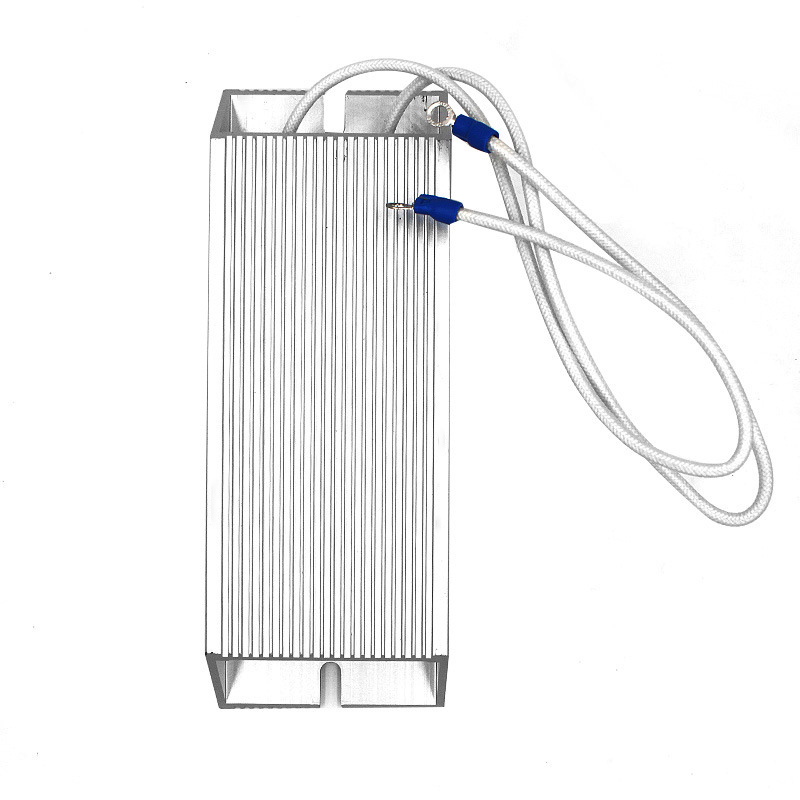
Installed Output Reactor: Matched a dedicated output reactor at the VFD output terminal to effectively suppress high-frequency harmonic components from the VFD output and smooth the current waveform.
Configured Absorption Capacitors: Added absorption capacitors at key interference nodes to filter out high-frequency voltage spikes and protect sensors and control circuits from surge impacts.
Remarkable Results: Comprehensive Improvement in Production Efficiency
On-site testing and verification confirmed that after implementing the optimization plan, electromagnetic interference issues on the gravure printing press were completely eliminated. Color registration accuracy returned to normal, photoelectric sensor signals became stable and reliable, and the counting system operated smoothly. Production data showed that the printing reject rate dropped dramatically to near-zero levels, with significantly improved equipment operational stability and product consistency, creating considerable economic value for the customer.
This successful case fully demonstrates that a scientific and systematic EMC governance solution can effectively resolve VFD application challenges in industrial environments. Moving forward, our company will continue to deepen its expertise in industrial automation, providing customers with more comprehensive electromagnetic compatibility solutions and contributing to the high-quality development of the manufacturing industry.
[VFD Fault Quick Troubleshooting Guide]
1. Common EMC Fault Symptoms Quick Reference
| Symptom | Probable Cause | Severity |
|---|---|---|
| Sensor signal jumping / loss | High-frequency interference coupling, poor grounding | ⭐⭐⭐⭐⭐ |
| Color registration / positioning deviation | Encoder signal interference, pulse loss | ⭐⭐⭐⭐⭐ |
| Inaccurate counting | Signal glitches causing false triggers | ⭐⭐⭐⭐ |
| Communication interruption / errors | Common-mode interference, impedance mismatch | ⭐⭐⭐⭐ |
| Equipment malfunction | Control signal disturbance, program runaway | ⭐⭐⭐⭐⭐ |
2. Three-Step Quick Troubleshooting Method
Step 1: Inspect Wiring
Check whether VFD power cables (U/V/W) are bundled or run parallel with signal and control lines
Confirm whether power and signal lines are routed separately, with a minimum spacing of ≥20 cm
Check whether shielded cables are grounded at a single point, with grounding resistance <4Ω
Step 2: Verify Grounding
Confirm whether the VFD, motor, and control cabinet share a common ground, avoiding "ground loops"
Check whether the grounding wire uses a dedicated PE conductor, strictly avoiding mixing with neutral wires
Ensure the shield layer is single-point grounded at the control cabinet side, with the field side left floating
Step 3: Add Components
If interference persists, install an output reactor at the VFD output terminal (selection reference: rated current ≥ VFD rated current, inductance per manufacturer recommendation)
Add an RC snubber circuit or signal filter at sensor signal line entry points
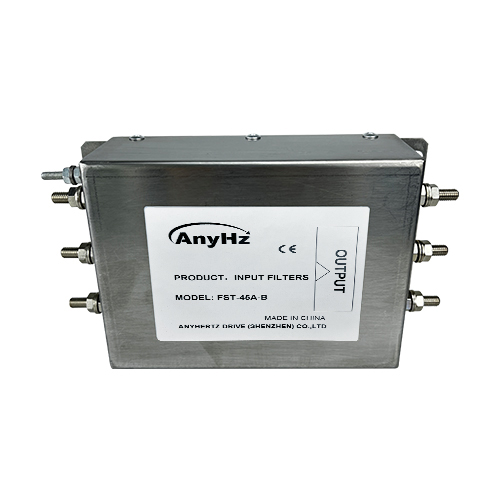
Install an input reactor or EMI filter at the VFD input terminal to suppress grid-side interference
3. Quick Remedy Mnemonic
"Separate the lines, ground it right, shield it tight, add a reactor, filter with a cap"
| Measure | Key Points | Application Scenario |
|---|---|---|
| Separate the lines | Route power and signal lines in separate conduits/trays | All VFD applications |
| Ground it right | Single-point grounding, thick and short ground leads | Sensor signal anomalies |
| Shield it tight | 360° circumferential shield connection with metal fittings | Severe high-frequency interference |
| Add a reactor | Series-connect three-phase reactor at output | Motor overheating, high harmonics |
| Filter with a cap | Parallel high-frequency absorption capacitors | Voltage spikes, counting errors |
4. Prevention Recommendations
Design Phase — Allow for EMC Margin: When selecting VFDs, appropriately oversize the power rating and prioritize models with built-in DC reactors or filters.
Installation Phase — Follow Best Practices: Strictly enforce the "high/low voltage separation" principle; use shielded twisted-pair cables for control lines with reliable shield grounding.
Commissioning Phase — Test Thoroughly: Conduct staged testing under no-load, light-load, and full-load conditions, with focused monitoring of sensor signal waveforms and communication stability.
Maintenance Phase — Inspect Regularly: Check grounding connection tightness quarterly; measure grounding resistance annually; replace aging filter components promptly.